As an Amazon Associate I earn from qualifying purchases.
Best2BNatural Updates
If you're in a hurry take a quick look at the latest and return later to glean some more. Click on "the orange button" to subscribe to our RSS feed. Thank you for visiting best2bnatural, have a wonderful day!

Your second block of text...
Natural Foods and Remedies
Natural living, transitioning to natural foods and remedies, why is it a concern and how do you get there? We'd like to encourage you on your journey to get there.
all natural nutrition supplements

An all natural nutrition supplements that supply you with vital and important, food based, nutrients and energy.
How to Grow Your Own Vegetables and Herbs
How to Grow Your Own Vegetables and Herbs
Spring is upon us, so it's a great time to do a little preparation for some gardening, and for some of you, maybe for the first time.
Part of truly enjoying yourself in the kitchen can also be growing your own food. Not only do homegrown veggies and herbs taste better, but they may also be more nutritious and can be rewarding to grow.
No matter how large or small a space you have, you can still grow a variety of produce. It is even possible if you live in a small apartment. It may just take a bit of research and preparation.
Here are some tips to grow your own vegetables and herbs:
Select what to plant.While you may have certain favorites, not everything is going to work in yourspace. Consider what veggies and herbs you use most often in springtime, and you can start with those.
Also, consider which plants are easiest to grow. Vegetables and herbs that are the easiest to plant are:
Lettuce, Radishes, Carrots, Tomatoes, Zucchini, Peppers, Beets, Chard, kale, or spinach,Peas, Parsley, and Basil.
Be sure to determine how much you should plant.
Some herbs and vegetables produce a lot that needs to be eaten in a short period of time.
While you can always give some away to friends and family, you could also learn to can vegetables. Either way, you do need to evaluate how much you need.
It also takes time to manage a large number of plants, so keep the number youchoose to grow realistic.
Consider the time of year:
While many vegetables thrive in the summer months, some prefer colderweather.
Use the Seasonal Food Guide to figure out what's in season. Certainvegetables need to be planted during certain months of the year; for example,zucchini and tomatoes have to be planted in the spring.
Most herbs can grow at any time of the year, so these might be simpler to start with.
Pick the right location:
Plants need to be either outdoors in a sunny spot or in an area that closelyreplicates the outdoors.
Most vegetables will need at least 6-8 hours of direct sunlight to thrive. You also want a place with adequate drainage to prevent the soil and roots from molding or rotting.
Prepare the soil.
If you are growing herbs in pots, you simply use nutrient-rich soil that can be purchased at any home and garden store.
However, if you are planning to usethe soil in your backyard, you may have to add more organic matter oradditional soil to help increase the nutrients and help the plants grow.
Invest in quality seeds.
Better quality seeds or live plants will work better than cheaper seedpackets. For optimal success, be sure to purchase quality seeds.
Keep learning and experimenting.
While your first trial into the world of gardening may result in failure, don’t give up! Keep learning, reading, and experimenting with different combinations of herbs and vegetables. Pretty soon, you will become an expert gardener! Happy Gardening as you soak in the sunshine!
homemade coconut oil toothpaste
It's simple to make your own homemade coconut oil toothpaste, and you'll be amazed with the difference in your pearly whites and gum health!
collagen and DE

Collagen and DE (Diatomaceous Earth), are closely connected. DE stimulates the formation of collagen naturally in your body, and is very beneficial.
Sorrow Into Joy

Sometimes we find ourselves with too much “on our plate”, and we wonder how to cope with it all. But He can turn our sorrow into joy!
Things are not always as they seem
Things are not always as they seem. Often we are quick to form opinions or judgments of what we think we see.
His love endures forever

Psalms 136 Reminds us why we are to... Give thanks to the Lord, for he is good. His love endures forever.
Apple Cider Vinegar...Uses and Benefits
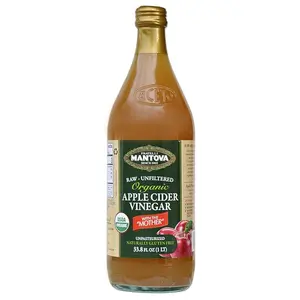
Apple Cider Vinegar Uses and Benefits (ACV) are mind boggling, and it seems you hear of another amazing use for it on a regular basis.
diatomaceous for digestive health

Diatomaceous earth for your digestive health, is very beneficial. From relieving gas and indigestion, cleanse the colon, eliminate constipation and much more..
tartrazine food dye
Tartrazine food dye is dangerous to our health, there's more to it than we're told. However it is touted as safe and used in our foods, health and beauty products.
Natural Head Lice Treatment...With Diatomaceous Earth

Natural head lice treatment with Diatomaceous Earth. Conquer lice without putting toxic chemicals right next to our child’s brain?
Continue reading "Natural Head Lice Treatment...With Diatomaceous Earth"

Anti-inflammotory foods
The anti-inflammatory diet is quite similar to the Mediterranean diet, which time and again ranks as the healthiest diet, thanks to its various benefits.
Anti-Inflammatory meals highlight massive amounts of antioxidant-rich foods such as dark leafy vegetables, and colorful fruits, in addition to high consumption of healthy fats and seafood such as salmon.In addition, anti-inflammatory meal plans avoids the intake of refined grains such as white pasta, massive amounts of processed foods, and sugar.
You usually won’t find meat such as pork, but you can expect some beef, plenty of chicken, fish, and vegan proteins such as legumes and nuts.
I personally believe, that God in his infinite love and wisdom provided everything we need for both our physical and spiritual well being. He gave us his awesome creation for our sustenance and health, then made provision and hope for our eternal destiny . Click on the link if you would like to know more.

Recent Articles


-
Natural Foods and Remedies
Jul 21, 26 12:45 AM
 Natural living, transitioning to natural foods and remedies, why is it a concern and how do you get there? We'd like to encourage you on your journey to get there.
 -
all natural nutrition supplements
Jul 21, 26 12:20 AM
 An all natural nutrition supplements that supply you with vital and important, food based, nutrients and energy.
 -
How to Grow Your Own Vegetables and Herbs
May 02, 26 12:00 AM
How to Grow Your Own Vegetables and Herbs Spring is upon us, so it's a great time to do a little preparation for some gardening, and for some of you, maybe for the first time. Part of truly enjoying y… -
homemade coconut oil toothpaste
Apr 20, 26 11:46 PM
It's simple to make your own homemade coconut oil toothpaste, and you'll be amazed with the difference in your pearly whites and gum health!